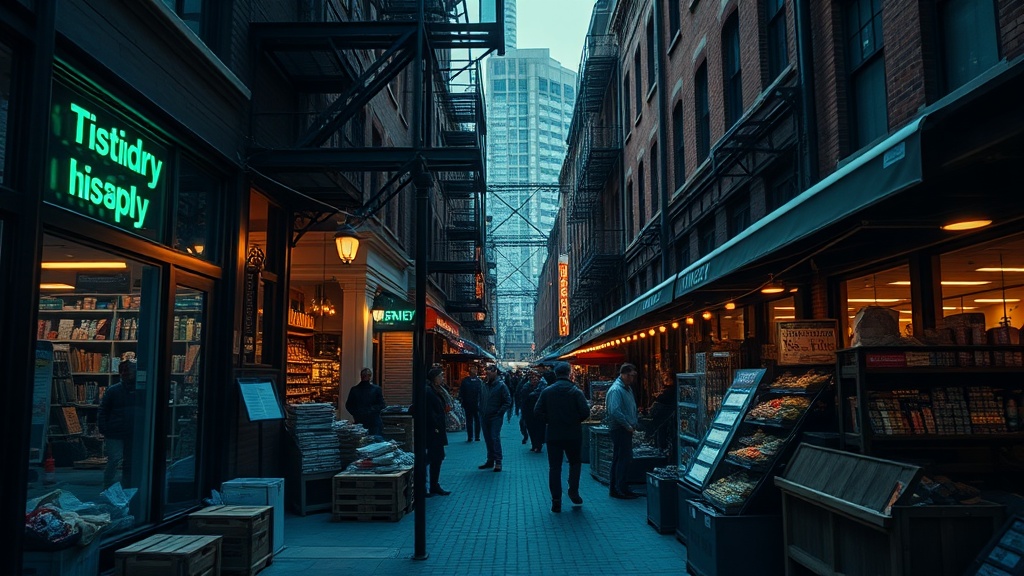
Where Do Distillery District Residents Shop When There's No Grocery Store for Blocks?

The Distillery District welcomes more than a million visitors annually, yet fewer than 2,000 of us actually call this 13-acre heritage precinct home. We're outnumbered daily—and that imbalance shapes everything from how we carry groceries across cobblestones to which coffee shops remember our orders. This isn't a travel guide. If you live in one of the Distillery District's converted Victorian warehouses or modern glass condos, you already know the logistical puzzles that come with residing in a pedestrian-only tourist destination. Here's how we've adapted—and where we actually go when we need real-world services, not artisan chocolate.
Where Do Locals Get Groceries Without Leaving the Neighborhood?
Let's address the cobblestone elephant in the room: there is no full-service grocery store inside the Distillery District's boundaries. The closest Metro is a 12-minute walk east along Front Street, and for many of us, that's our weekly pilgrimage. But we've developed workarounds that don't require hauling reusable bags across uneven brick every few days.
The St. Lawrence Market—about a 15-minute walk southwest—remains the gold standard for residents who cook regularly. On Saturdays, the farmer's market extends onto the surrounding streets, and you'll spot your neighbors loading up on produce that actually lasts more than a day. For daily essentials, the Gateway Newsstand at the corner of Mill Street and Parliament carries milk, eggs, and emergency pasta—though you'll pay convenience prices that sting.
Many of us have embraced delivery services more aggressively than other Toronto neighborhoods. FreshDirect, Grocery Gateway, and even Amazon Fresh have learned to navigate the District's loading dock protocols. Pro tip: schedule deliveries between 7 and 9 a.m. when the cobblestone streets are still relatively clear of pedestrians, and always include your building's specific loading dock instructions. Drivers still get lost attempting to find the service entrances behind the Gooderham Building.
For those in the Pure Spirit and Clear Spirit condos, the Longo's at Queen's Quay and Cooper Street offers a shuttle service for seniors and residents with mobility challenges—a little-known perk that some Distillery District residents have managed to access through persistent asking. The store manager lives in Corktown and sympathizes with our grocery desert status.
Which Coffee Shops Actually Remember Your Name?
Yes, Balzac's in the Archeo Trattoria building is beautiful. The soaring ceilings, the vintage roasting equipment, the Instagram-famous corner by the window—we know it well. But on weekends, the line stretches past the pastry case, and you're competing with tourists photographing their cortados. For daily caffeine, we've found quieter corners.
The coffee counter inside Soma Chocolatemaker on Tank House Lane opens at 8 a.m., a full hour before most tourists arrive. The baristas recognize the regulars who work in the adjacent office spaces and residential lofts. Their Peruvian single-origin is excellent, and the seating area near the back—past the chocolate production windows—rarely fills before 10 a.m. We bring our laptops, claim the worn wooden table by the exposed brick, and actually get work done without being asked for directions to the bathroom.
For a grab-and-go situation, the Arvo Coffee location on Front Street (technically just outside the District's official boundaries but functionally part of our daily orbit) serves excellent espresso with zero tourist traffic. The owner lives in one of the condos on Parliament Street and opens early specifically for the construction workers and distillery staff heading to nearby sites. It's not fancy, but it's ours.
How Do You Exercise When Your Streets Are Cobblestones and Tourists?
Running in the Distillery District is an exercise in obstacle avoidance—literally. The uneven brick surface will wreck your ankles, and the crowds between 11 a.m. and 7 p.m. make anything faster than a leisurely stroll impossible. We've mapped alternative routes that take us through the surrounding neighborhoods while still starting and ending at home.
The Corktown Common trail system, accessible via a five-minute walk east along Mill Street, offers 18 hectares of parkland with actual asphalt paths. On weekday mornings, you'll find Distillery District residents doing laps around the wetlands before the sun hits the condo glass. The hill near the Don River provides a decent interval workout, and the view of the downtown skyline beats any hotel gym treadmill.
For structured fitness, Equinox at Bay and Adelaide offers a shuttle service for members living in the District—though the annual fee stings. More of us have migrated to Studio KO on King Street East, a boxing-focused gym that opens at 6 a.m. and offers a "locals" discount for residents of the City of Toronto heritage precincts. The owner used to live in the Gooderham condos and understands our scheduling constraints.
Yoga practitioners gravitate toward Modo Yoga on Parliament Street, just north of the District. Their 6:30 a.m. classes are filled with neighbors trying to center themselves before the day's tourist chaos begins. The instructors know us by name and don't blink when we arrive slightly sweaty from rushing across the cobblestones.
Where Do We Go When We Need Actual Services?
The Distillery District isn't particularly useful when you need a prescription filled, a key copied, or dry cleaning done in a hurry. We've learned to look just outside the heritage boundaries for practical necessities.
The Shoppers Drug Mart at Front and Princess Streets is our pharmacy of choice—a 10-minute walk that feels longer in February. The pharmacist there has memorized the medication schedules of several Distillery District seniors and offers delivery for immobile residents. For urgent care, the Appletree Medical Centre on Front Street accepts walk-ins, though the wait times have increased as the neighborhood has densified.
Dry cleaning requires a car or a very patient courier. Most of us use Prestige Cleaners on King Street East, which offers pickup and delivery service for the condo buildings. They know the loading dock codes and the quirks of accessing the service elevators in each building—knowledge that took years to accumulate.
For the rare occasions when we need a hardware store, Home Hardware on Queen Street East (near the Distillery District's western edge) stocks the basics. The staff there have grown accustomed to confused residents asking for "the thing that fixes the creaking in heritage windows" or advice on mounting shelves in concrete loft walls.
What's the Real Seasonal Calendar for Locals?
Tourists know the Distillery District for the Christmas Market and summer patios. We know it for the February quiet—the weeks when the cobblestones are empty, the restaurants actually have tables available, and we can walk our dogs without navigating selfie sticks.
January through mid-March is our golden season. The Toronto Light Festival (which runs through the winter months) brings evening foot traffic, but the days belong to us. Restaurant owners—many of whom live in the neighborhood—have time to chat. We get to know the seasonal retail workers who return year after year. The Soulpepper Theatre at the Young Centre offers a locals' discount during these slow months, and it's possible to get tickets to sold-out shows without planning weeks ahead.
May through October requires strategic planning. The Toronto Jazz Festival, Luminato, and various food festivals close streets and create noise that penetrates even the thickest loft walls. Smart residents schedule vacations during the busiest festival weekends or invest in serious noise-canceling headphones. We also stockpile groceries before major events, knowing that delivery services become unreliable when 50,000 extra people crowd the District.
The Christmas Market (mid-November through December) transforms daily life into an obstacle course. Many of us simply leave—heading to family in the suburbs or booking Airbnbs in quieter neighborhoods. Those who stay develop elaborate internal routes through building basements and service corridors to avoid the main pedestrian areas. The Pure Spirit and Clear Spirit buildings connect underground, allowing residents to reach Parliament Street without ever surfacing among the mulled wine crowds.
How Do We Build Community Among the Chaos?
Living in a tourist destination can feel isolating—surrounded by people but known by few. The Distillery District Residents' Association, which meets monthly at the Archeo private dining room (when it's not booked for events), advocates for our interests with the property management company and the city. They've successfully pushed for better lighting on side streets, more frequent street cleaning, and dedicated dog waste stations that actually get emptied regularly.
The Young Centre for the Performing Arts offers a "Neighbors" program that provides discounted tickets and backstage tours for Distillery District residents. It's how many of us discovered that the theatre's education wing offers adult acting classes—an unexpected community building opportunity among people who share the same logistical headaches.
For dog owners, the informal morning gathering at the small parkette near the Cannery Building (just outside the District's eastern boundary) functions as daily social hour. We discuss building maintenance issues, recommend contractors who understand heritage building quirks, and warn each other about upcoming events that will make dog walking impossible. These relationships—formed over shared plastic bags and complaints about cobblestone salt corrosion—represent the real community fabric of the neighborhood.
We also share information through a private Discord server and a WhatsApp group that predates it—channels for alerting neighbors to water shutoffs, package deliveries left in insecure locations, and the occasional film shoot that blocks access to our buildings without adequate notice. The Distillery District's official website posts event calendars, but the real intelligence about which streets will close and when comes through these resident networks.
What Are the Actual Challenges No One Warns You About?
Living here means accepting certain frustrations as the cost of architectural beauty. Moving furniture into a building with no vehicle access requires hiring specialized movers familiar with the District's loading docks—or carrying that IKEA dresser across cobblestones while tourists photograph your struggle. Deliveries routinely get lost because GPS doesn't understand pedestrian-only streets. The restaurants we love often close for private events, leaving us scrambling for dinner options on nights when we assumed they'd be open.
But we adapt. We learn which alleys cut through to Parliament Street. We memorize the film shoot schedules to avoid being trapped in our buildings. We develop relationships with the security staff who control the vehicle gates, earning the occasional favor when we need to rush a sick pet to the vet. The Distillery District isn't always convenient—but for those of us who've chosen to make it home, the inconveniences are just part of the texture of living inside a piece of Toronto's history.