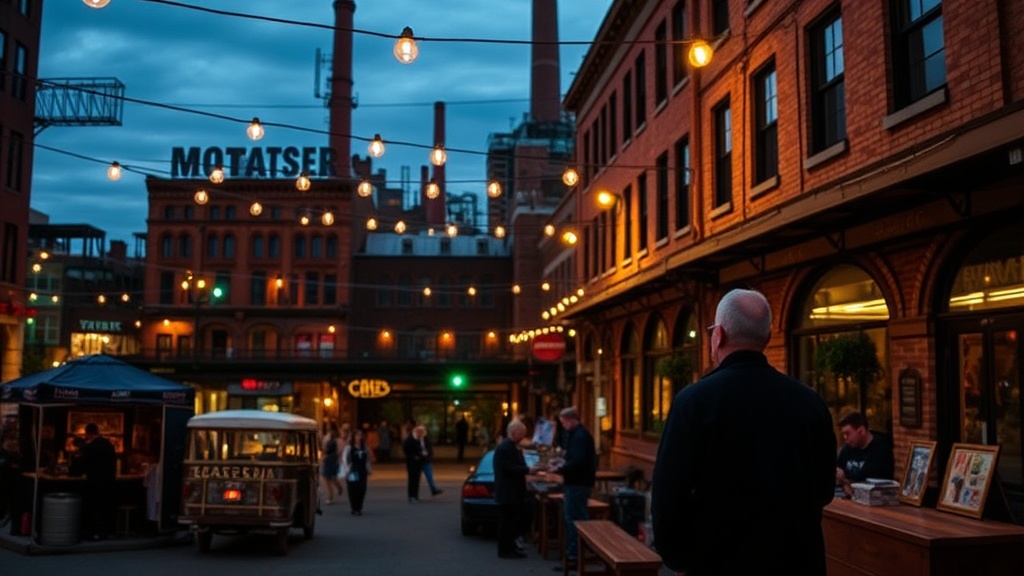
Staying Connected with Local Services in the Distillery District

Many people think living in a historic area like the Distillery District means you're disconnected from modern municipal efficiency. They assume that because our streets are cobblestone and our buildings are centuries old, the logistics of daily life—like waste management, street maintenance, and municipal communication—might be lagging behind. That's a misconception. While our aesthetic is rooted in the 19th century, the way we manage our local infrastructure is very much rooted in the 21st century. This guide covers how to stay informed about the civic updates that affect our specific corner of Toronto.
Living here requires a bit more awareness than living in a standard residential subdivision. Because the Distillery District is a specialized heritage precinct, certain rules apply to everything from garbage pickup schedules to how we report a broken street lamp near Thompson Street. We need to know how to interact with the city effectively to keep our neighborhood looking its best.
How do I find out about local construction in the Distillery District?
Construction is a constant in Toronto, but in the Distillery District, it often feels more personal. Whether it's a utility repair under the cobblestones or a renovation on one of our historic buildings, staying ahead of the curve is vital for our daily routines. The best way to track this isn't through a generic city-wide app, but by keeping an eye on the City of Toronto Road Construction updates.
We often see heavy machinery near the entrance of the Distillery District during mid-week, which can disrupt foot traffic. If you're planning a delivery or a heavy move, check the municipal schedules early. Local businesses and residents should also keep an eye on the specific notices posted near the Distillery District pedestrian plaza. Often, the most localized info comes from the direct announcements regarding the maintenance of our specific streets, ensuring we aren't caught off guard by a sudden closure of a key access point.
Where can I report a maintenance issue in the Distillery District?
If you notice a chipped brick, a malfunctioning light fixture near the Distillery District courtyard, or a drainage issue after a heavy storm, you don't have to wait for someone else to notice it. We have direct channels to report these things. The most effective method is using the 311 service. You can call 311 or use the online portal to report non-emergency issues directly to the city.
For issues specifically related to the upkeep of our public spaces—like the areas around the historical landmarks—it's helpful to be very descriptive. Mentioning a specific landmark, such as the Distillery District Distillery building or a specific corner of the plaza, helps the crews find the exact spot. This isn't just about aesthetics; it's about maintaining the structural integrity of our community. A well-maintained streetscape keeps our property values high and our neighborhood safe.
How do waste and recycling protocols work here?
One of the biggest questions we get is how to handle waste in a district that doesn't follow the standard curb-side pickup pattern seen in other parts of the city. Because the Distillery District is a mixed-use area with high pedestrian traffic, the rules are slightly different. We don't have the same weekly bin-to-curb routine that a suburban neighborhood has.
- Commercial vs. Residential: Most of the heavy lifting for waste management in the Distillery District is handled through private collection agreements for the businesses, but residents have specific protocols to follow.
- The Importance of Timing: Because we want to keep our streets clear for pedestrians and events, waste collection is strictly timed.
- Recycling Standards: Our community places a high value on sustainability. Ensuring your recycling is sorted correctly is a way to support the local ethos of the Distillery District.
For more detailed information on the specific environmental standards and waste management guidelines for our area, you can check the official City of Toronto waste guidelines. Being proactive about our waste ensures that the Distillery District remains a clean, inviting place to live and work.
We also recommend joining local community forums where neighbors discuss everything from noise levels to new developments. Staying connected with each other is just as important as staying connected to the city's services. Whether you are a long-time resident or a new arrival, being an active participant in the life of the Distillery District makes our community stronger.
If you ever feel a service is being overlooked, don't hesitate to reach out. We are a specialized community, and our needs—from snow removal on the cobblestones to the maintenance of our historic facades—require a dedicated approach. By knowing these tools, we can ensure the Distillery District continues to thrive as one of the most unique neighborhoods in the country.