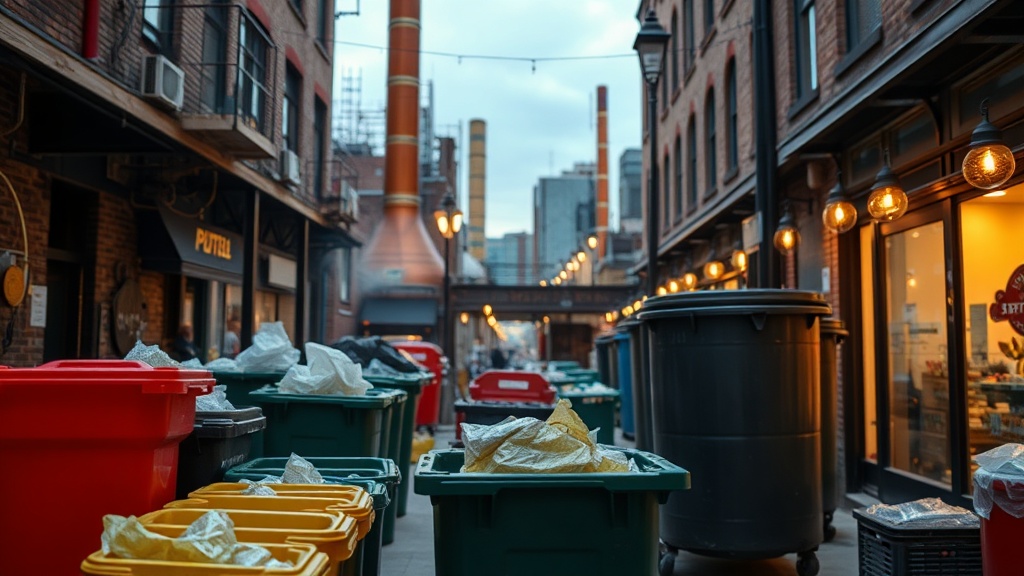
Managing Waste and Recycling Protocols in the Distillery District

Why Our Waste Management Matters for the District
Did you know that the Distillery District produces a specific volume of waste that requires much more nuance than a standard residential street? Because we live and work in a historic precinct, our disposal habits directly impact the preservation of our cobblestone streets and much of the architectural integrity we love. Managing garbage, recycling, and organics isn't just about keeping our sidewalks clean; it's about maintaining the aesthetic and structural standards of our unique neighborhood. When we handle our refuse properly, we ensure that the Distillery District remains a clean, breathable space for everyone who calls this area home.
Living in a historic area means we don't have the same luxury of massive, unsightly dumpsters on every corner. Our community relies on a sophisticated system of sorting and collection that respects the visual heritage of the area. Whether you're a long-time resident or a business owner near Parliament Street, understanding the nuances of our local collection schedule is a way to show respect for our shared environment. We've seen how improper disposal can lead to issues with local wildlife or even drainage problems on the old cobblestone paths—something none of us want to deal with.
How do I properly sort recycling in the Distillery District?
The rules for recycling in the Distillery District can feel a bit more complex than a typical Toronto suburb. Because of our density and the specific types of commercial-residential mixed-use buildings we have, the sorting must be precise. To keep our neighborhood looking its best, please remember that certain items that might be accepted elsewhere are often rejected here. For instance, many of the cardboard boxes from local deliveries need to be flattened completely before being placed in the designated bins near the pedestrian lanes.
- Paper and Cardboard: Ensure all cardboard is flattened. This is vital for the limited space in our collection areas.
- Plastic Containers: Only rigid plastics are typically accepted; avoid flimsy films that can blow around the Distillery District wind corridors.
- Glass: Be careful with glass disposal; broken items should be wrapped securely to protect our collection staff.
If you're unsure about a specific item, it's always better to check the official City of Toronto Waste Management guidelines. Following these rules helps keep the Distillery District pristine and prevents our collection services from being delayed or rejected.
Where can I find specialized disposal for large items?
One of the biggest headaches for our community is the "bulk item" problem. Because many of our residential buildings are older or have specific structural layouts, getting rid of a broken chair or an old rug can be a challenge. You won't find a large bin sitting on the curb-side in the middle of our historic-protected streets. Instead, we have to be much more intentional. If you have large items to discard, don't just leave them near the alleyways; this creates a eyesore and a tripping hazard for your neighbors.
For residents, the best way to handle this is through the municipal bulky item pickup service. You can schedule a pickup through the City of Toronto website or look into local private haulers that are familiar with the narrow access points of the Distillery District. Many of us find that coordinating with building management is the most efficient way to ensure these items don't end up sitting on the street for days. Being proactive about this prevents the buildup of clutter that can detract from the charm of our streets.
How can we reduce the impact of waste on our local streets?
Reducing waste at the source is the most effective way to protect our local environment. In the Distillery District, we can all do our part by being more conscious of the packaging we bring into our homes. For example, opting for products with less packaging or using reusable containers can significantly reduce the volume of trash we generate. When we reduce the sheer amount of waste produced, it makes the work of our local collection crews much easier and keeps our streets cleaner.
We also encourage everyone to participate in local composting initiatives where available. Food scraps can be a major issue in a dense neighborhood if not handled correctly, leading to odors or attracting pests. By being diligent with our organics, we keep the air fresh and our common areas pleasant. It's a small effort that makes a huge difference in the daily life of our community. We should all strive to be stewards of the environment that makes the Distillery District such a special place to live.
Lastly, let's keep an eye on our local signage. Many of our collection points are tucked away to preserve the view of the historic brickwork, but they are essential for our functioning neighborhood. If you see a bin that is overflowing or a pile of debris that hasn't been collected, please report it to the building management or the local municipal authorities. Staying observant is part of being a good neighbor in a community as unique as ours.