How to Handle Street Parking in the Distillery District Without the Headache

Why Is Finding Parking in the Distillery District So Tricky?
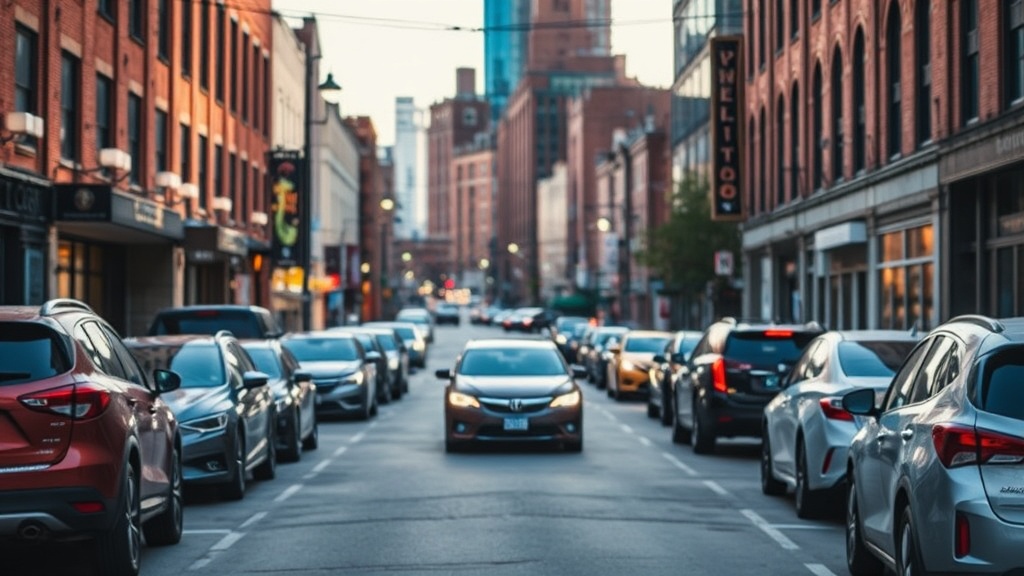
If you live in the Distillery District—or you're visiting friends who do—you've probably circled the same cobblestone streets more times than you'd care to admit. Those charming red-brick lanes that make our neighbourhood so photogenic? They're not exactly designed for modern traffic flow. And while the Distillery District's pedestrian-first design is wonderful for strolls along Trinity Street, it can turn parking into a genuine puzzle—especially on weekends when the area fills with theatre-goers heading to the Soulpepper Theatre or families exploring the Distillery District Heritage Site.
We've all been there. You're running late for a dinner reservation at El Catrin, or you're trying to unload groceries before the ice cream melts, and suddenly you're caught in a loop of one-way streets and loading zones that seem to change rules by the hour. The good news? After years of living here, we've figured out the patterns. This isn't about 'hacking' the system—it's about understanding how parking actually works in the Distillery District so you can stop stressing and start enjoying where we live.
Where Can Residents Actually Park Long-Term?
Here's something visitors don't realize: most of the street parking in the Distillery District is designed for short stays. Those green P signs along Tank House Lane and the perimeter streets? They're often limited to two or three hours maximum. For those of us who call the Distillery District home, that setup doesn't work for overnight parking—or for keeping a vehicle accessible day-to-day.
If you live in one of the condo buildings here—and let's be honest, that's most of the residential options in our neighbourhood—your best bet is almost always your building's private parking. The Clear Spirit and Pure Spirit buildings both have dedicated resident garages, though spots come at a premium and there's usually a waitlist. The Gooderham Building condos offer some of the more accessible resident parking in the area, but you'll want to confirm your spot before you move in—don't assume.
For renters in smaller units or heritage conversions without dedicated parking, the Green P lot at the southern end of the Distillery District—near the Archeo Trattoria entrance—offers monthly permits. It's not cheap (welcome to downtown Toronto), but it's significantly more reasonable than private lot rates. The lot fills quickly during special events—like the Toronto Christmas Market or the Light Festival—so factor that into your decision. Some residents choose to rent private spots from nearby condo owners who have extras, which you can sometimes find through community Facebook groups or the Distillery District Residents' Association bulletin board.
What's the Best Strategy for Visitor Parking?
When friends or family visit the Distillery District, where do you tell them to leave their cars? The answer depends heavily on timing—and you should always, always check the events calendar before giving directions.
On a quiet Tuesday afternoon, street parking along Cherry Street or Mill Street is often available and reasonably priced through the Green P app. But arrive after 5 PM on a Friday or during any festival weekend, and those spots vanish fast. Your safest fallback is the main Green P lot I mentioned earlier—it's well-lit, patrolled regularly, and connected to the pedestrian-friendly core of the Distillery District via the cobblestone walkways.
Here's a local tip that took us embarrassingly long to learn: the parking lot at the Distillery District's west entrance (near the Balzac's Coffee Roasters location) sometimes has shorter wait times than the main lot—even during busy periods. People tend to gravitate toward the first entrance they see. Walk an extra block and you might save yourself twenty minutes of circling. Also, if you're picking someone up, don't try to idle on Trinity Street—the narrow lane and constant pedestrian traffic make it nearly impossible. Use the designated loading area near the Archeo lot instead.
How Do Loading Zones and Delivery Windows Actually Work?
If you've recently moved into the Distillery District—or you're planning a renovation—you're going to become very familiar with the loading zone regulations. And by familiar, I mean you'll probably develop some strong opinions about them.
The Distillery District Heritage Site has specific rules about commercial vehicles and loading times that differ from standard Toronto bylaws. Delivery trucks can't just pull up anywhere—they need to use designated zones, and those zones have strict time limits. Most are limited to thirty minutes, and bylaw enforcement is surprisingly vigilant here. (We've seen tickets issued within five minutes of a truck parking—no exaggeration.)
For residents receiving large deliveries—furniture, appliances, construction materials—you'll want to coordinate with your building concierge or property manager in advance. Many buildings in the Distillery District have designated loading docks with scheduled time slots. Miss your window and you're rescheduling for next week. It's frustrating, but it keeps the narrow streets clear for pedestrians and emergency vehicles, which matters more than your couch delivery when you really think about it.
Smaller deliveries—packages, groceries—are generally easier. Most courier services know the Distillery District well enough to use the pedestrian entrances, but they can't always access building lobbies depending on security protocols. If you work from home, be prepared to meet drivers at the entrance to your building. Some residents use the Canada Post flexdelivery service to redirect packages to the nearby postal outlet on Front Street instead of dealing with missed delivery notices.
What About Alternative Transportation Options?
Here's the truth we sometimes don't want to admit: owning a car in the Distillery District is often more trouble than it's worth. The neighbourhood is incredibly walkable. You can reach St. Lawrence Market in fifteen minutes on foot. The TTC's 121 Esplanade-River bus stops right at the Distillery District's front entrance and connects to Union Station. There's a Bixi bike share station at nearly every corner during the warmer months.
Many of our neighbours have given up their vehicles entirely. Between car-sharing services like Zipcar (which has dedicated spots near Parliament Street), ride-hailing apps, and the 504 King streetcar that runs nearby, you can manage most trips without the monthly parking costs and permit headaches. Winter changes the equation somewhat—nobody loves waiting for a bus in a January snowstorm—but even then, the money saved on parking often offsets occasional taxi fares.
If you do keep a vehicle but only use it occasionally, consider whether you really need daily access parking or if you could park in a less central lot and walk the extra distance. Some residents park at distant TTC commuter lots and take transit back—it's unconventional, but it works for people who only need their cars for weekend escapes from the city.
How Do You Appeal a Parking Ticket in the Distillery District?
It happens. You misread a sign, stayed ten minutes too long at Mill Street Brewery, or got caught by a sudden policy change during a special event. Toronto parking tickets aren't cheap, and in a high-traffic area like the Distillery District, enforcement cameras and officers are everywhere.
If you believe a ticket was issued in error—or if the signage was genuinely confusing—you have options. The City of Toronto allows you to request a review online through their parking ticket services portal. You'll need your ticket number and license plate. Be specific about why you're contesting: Was the sign obstructed by construction? Was the parking machine malfunctioning? Did you have a valid permit that wasn't visible?
The Distillery District occasionally has conflicting signage during major events, and if you can document that confusion, your odds of a successful appeal improve. Take photos immediately if you plan to contest—showing the full context of where you parked and what the signs actually said. We've successfully appealed two tickets this way, though one took nearly three months to resolve. (City bureaucracy moves slowly—adjust your expectations accordingly.)
Living in the Distillery District means accepting certain trade-offs. We get historic architecture, walkable streets, and a genuine sense of community. In exchange, we deal with limited parking, narrow roads, and the occasional frustration of navigating a neighbourhood designed for pedestrians rather than vehicles. It's not a perfect arrangement—but then again, nowhere is. Understanding how the parking system works here—rather than fighting it every time—frees up mental energy for the things that actually matter: enjoying where we live.