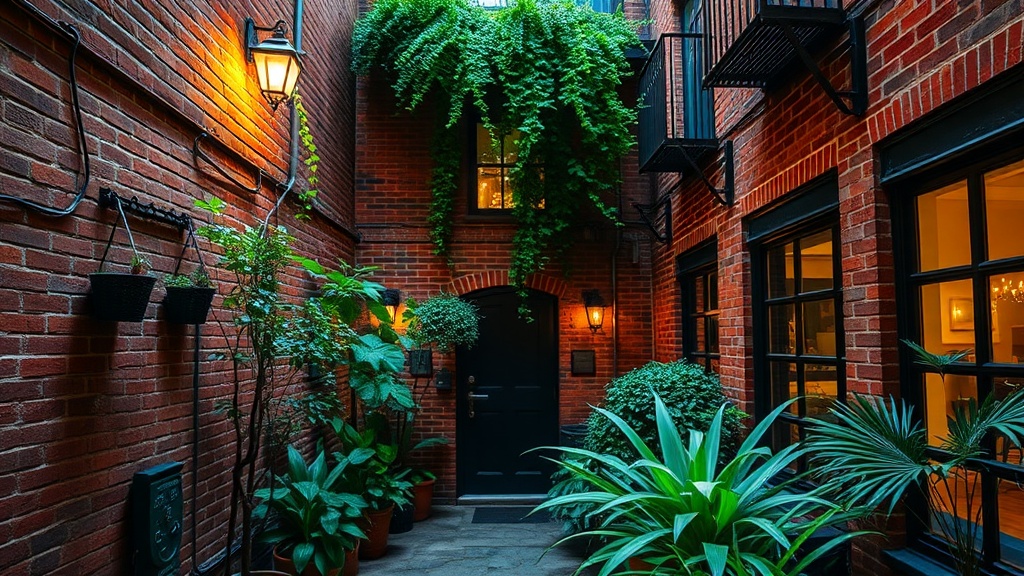
Finding Hidden Courtyards in the Distillery District

The heavy iron gates of the Distillery District swing shut, leaving the roar of Front Street behind. A sudden hush falls over the cobblestones. You step into a pocket of stillness where the smell of roasted coffee beans meets the cool, damp air of a brick-lined alleyway. This guide explores the tucked-away courtyards and secret pedestrian corridors that most tourists walk right past. Finding these quiet spots is the best way to experience the district without the crowds.
Most people come here for the big landmarks—the giant sculptures or the main thoroughfares—but the real magic happens in the side lanes. If you want to find a quiet place to read a book or enjoy a quiet espresso, you have to look for the gaps between the buildings. It's about knowing where the foot traffic thins out.
Where are the best quiet spots in the Distillery District?
The best quiet spots are found in the secondary alleyways located between the main commercial blocks and the residential lofts. While the main street is always bustling with people heading toward Balzac's Coffee or the various art galleries, the side lanes offer a different pace. These areas are often shielded by high brick walls, which naturally dampens the sound of the city.
One of the most underrated spots is the area near the northern edge of the district. If you wander past the main retail shops, you'll find smaller, more intimate spaces that feel like private gardens. These aren't just empty alleys; they are intentional design features of the historic area. They serve as breathing room for the residents and the workers who keep the district running.
Here are three specific types of "hidden" areas you should look for:
- The Coffee Nooks: Small seating areas tucked behind large brick pillars.
- The Art Alleys: Narrow passages that house smaller, independent artist studios.
- The Residential Breezeways: Quiet paths that lead toward the loft apartments.
It's worth noting that these spots are perfect for photographers. If you're looking to capture the industrial-chic aesthetic without a dozen tourists in your shot, find a corner at 10:00 AM on a Tuesday. The light hits the brickwork beautifully in the morning, especially near the older structures. (And yes, the lighting is much better than the harsh midday sun.)
How do I find the hidden courtyards?
You find the hidden courtyards by looking for "dead ends" that actually lead to open-air seating or small plazas. Most people stick to the wide, paved paths, but the real gems are often found by taking a sharp left or right into a narrower passage. Look for signage that isn't a neon sign—sometimes it's just a small, weathered wooden board or a simple stone marker.
Don't be afraid to wander off the main path. A lot of the district's charm is built on the idea of discovery. For example, if you see a narrow opening between two large buildings, it might look like a service entrance, but it often leads to a beautifully curated space. This is especially true near the historic buildings that date back to the 19th century.
I've spent many afternoons doing exactly this. You might start by looking for a specific shop, but end up sitting on a stone bench in a space you didn't even know existed ten minutes ago. It's a bit like a scavenger hunt for locals.
| Type of Space | Best For | Vibe |
|---|---|---|
| Main Thoroughfare | Sightseeing & Shopping | High Energy |
| Side Alleyways | Photography & Reading | Peaceful |
| Hidden Courtyards | Coffee & Conversation | Intimate |
The architecture here is quite specific. The heavy use of red brick and ironwork creates a sense of enclosure. This is why these courtyards feel so much more private than a standard city park. You're essentially inside a living museum of industrial history. If you want to learn more about the architectural styles used in Toronto's historic districts, the City of Toronto Heritage website has some great resources.
What is the best time to visit for peace and quiet?
The best time to visit for peace and quiet is early on a weekday morning, specifically between 8:00 AM and 10:30 AM. During this window, the shops are just opening, the crowds are minimal, and the light is soft. If you can't make it during the week, a Sunday evening after 5:00 PM is your next best bet. Most of the day-trippers head home by then, leaving the district to the locals and the evening diners.
Avoid the weekends at all costs if your goal is solitude. The Distillery District becomes a major hub for tourists and large groups on Saturdays and Sundays. The "hidden" courtyards often become the most popular spots for group photos during these times, which defeats the purpose of finding a quiet nook. It's a bit of a trade-off. You get the beauty of the district, but you lose the silence.
A quick tip: if you see a crowd gathering near a specific sculpture, move in the opposite direction. The crowds tend to cluster around the "Instagrammable" spots. By moving toward the edges of the district, you'll find the areas that aren't on the standard tourist maps.
One thing to keep in mind is the weather. Because many of these courtyards are narrow, they can feel much colder than the main streets during a Toronto winter. If you're planning a visit in the colder months, make sure you have a solid outer layer. A heavy coat—something like a Patagonia Down Sweater—is a lifesaver when you're standing still in a shaded alleyway. The wind can whip through these corridors quite unexpectedly.
The beauty of the Distillery District isn't just in the big, famous things. It's in the small, quiet details. It's the way the light hits a weathered brick wall or the way a single coffee cup looks on a stone table in a quiet corner. Taking the time to look for these spaces makes the whole experience much more rewarding.
If you're looking for a place to escape the noise of the city, don't just stick to the main road. Look up, look sideways, and look into the gaps. The best parts of the district are often the ones that aren't shouting for your attention. They're just waiting to be found.